Capsules vs Other Supplement Formats: A Practical Comparison
Capsules, tablets and loose powders all deliver the same kind of ingredients in different packaging, and the best format is the one you will actually take consistently.
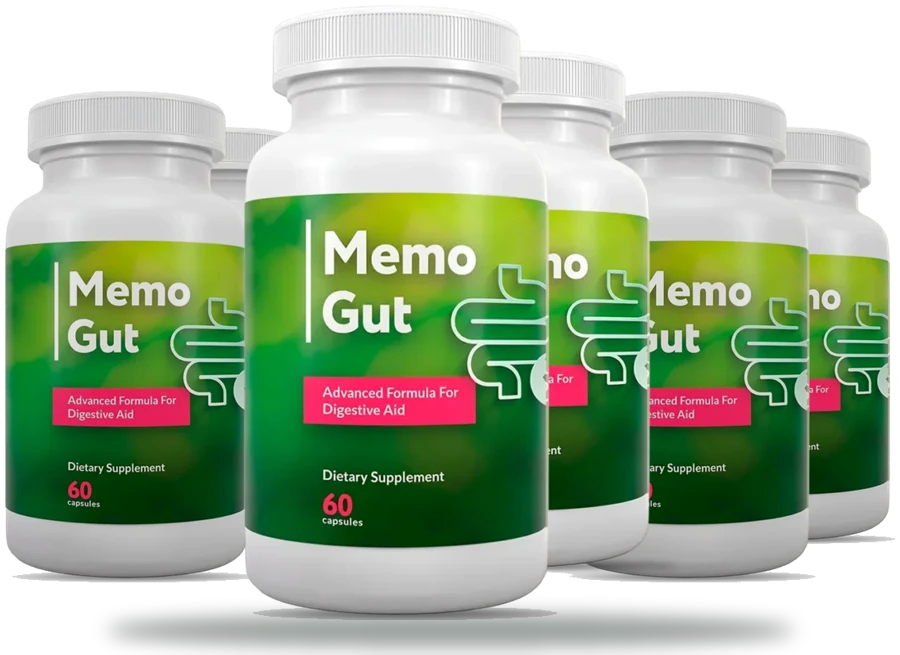
Memogut is a capsule supplement, taken as directed on the bottle label with a full glass of water.
Format Is a Habit Question First
Most people choose a supplement for what is inside it, then discover that the format shapes how easy it is to stick with. A format that suits your kitchen counter, your travel bag and your morning routine will get used. One that feels like a chore tends to end up at the back of a cabinet.
This guide compares capsules with the other formats you will meet on a shelf, using everyday situations rather than hype. It does not rank them. It simply helps you match a format to your life.
What a Capsule Actually Is
A capsule is a small two-part shell that holds the ingredients inside. The shell opens in your digestive tract after you swallow it with water. If you want the full definition and the history behind the format, our capsule supplements guide covers it from the beginning.
Because the ingredients are enclosed, a capsule keeps the contents separate from the air and light of your kitchen until the moment you take it. It also means you do not have to taste or smell what is inside, which many people appreciate.
Capsules Next to Tablets
A tablet is a compressed, solid form. Tablets can be small and sturdy, and some are scored or coated. Capsules are usually smoother to swallow because the shell is slippery and the shape is rounded.
The practical difference shows up in the routine. If you find large, dense tablets hard to get down, a capsule may feel easier. If you prefer something very compact, a tablet may suit you. Both are taken with water, and both should be taken as directed on the label.
Capsules Next to Loose Powders
Loose powders are mixed into a glass or stirred into food. They offer flexibility, but they also ask more of you. You need a scoop or measure, a container and a few spare minutes, and the taste or texture becomes part of the experience.
A capsule trades that flexibility for convenience. There is nothing to measure out and nothing to stir, so it fits easily beside a morning glass of water. That simplicity is the main reason many adults reach for capsules when their mornings are already full.
Everyday Situations That Favor Each Format
When You Travel
A bottle of capsules slips into a bag or a desk drawer without fuss. Nothing spills, and you do not need a spoon or a shaker. Loose formats are workable on the road, but they need more planning.
When Mornings Are Rushed
If breakfast is a quick bowl of oatmeal and a cup of coffee, a capsule adds almost no steps. You take it with a full glass of water and move on with your day.
When You Dislike Strong Tastes
Because capsules are swallowed whole, flavor rarely comes into play. If taste has put you off a supplement before, that is a fair reason to prefer a capsule.
Storage and Everyday Handling
Formats differ in how they live in your home. A capsule bottle is happy in a cool, dry cabinet away from the stove and the sunny windowsill, with the cap closed firmly after each use. Loose formats can clump or absorb moisture if the lid is left ajar, and compressed formats can chip if a bottle is shaken in a bag.
None of this is complicated. It simply means that a format you can store neatly and reach for easily is a format you are more likely to keep using. Read the storage line on your own label and follow it.
Questions Worth Asking About Any Format
- Can I swallow it comfortably, or do I dread it?
- Does it fit the time of day I am most consistent?
- Is the label complete, with a printed Supplement Facts panel and clear directions?
- Is the bottle easy to store somewhere I will see it?
Those questions matter more than the format name. For help with the label side, our label reading guide is a good companion.
Why Memogut Uses Capsules
Memogut comes as 60 capsules per bottle, in a white bottle with a green label. The six named ingredients are Oat Bran Powder, Prune Fruit Powder, Cascara Sagrada Bark Powder, Buckthorn Bark Extract, Pumpkin Seed Powder and Cayenne Pepper Fruit Powder. The complete Supplement Facts panel is printed on the bottle. You can read the general picture on the what is Memogut page.
Whatever format you choose, the formula is only part of the picture. Fiber-rich foods, balanced meals, hydration, movement and good sleep habits do most of the work in everyday gut wellness.
A Neutral Place to Keep Learning
For general, plain-language background on how supplements are made and labeled, the NIH Office of Dietary Supplements offers fact sheets that are worth bookmarking. They are a handy reference whichever format you prefer.
If you decide a capsule fits your routine, the official site shows the packs of 2, 3 and 6 bottles, the one-time purchase and the 60-day money-back guarantee. See the official order page for current pricing and shipping details.