Balanced Plate Basics for Everyday Meals: A Simple Guide
A balanced plate is mostly a visual habit: fill much of it with vegetables and fruit, then add whole grains, protein and a little healthy fat.
Once you learn the layout, you can apply it to almost any cuisine, kitchen or schedule.
Think in Sections, Not Rules
Most of us were never taught how to build a meal. We learned recipes, or we learned what to avoid. A balanced plate works the other way around. It asks what you can add so the meal feels complete.
The idea needs no measuring cups or tracking apps. You look at your plate and see sections: a large one for plants, and smaller ones for grains and protein. That picture is easy to remember at a busy weeknight dinner or a restaurant table.
The Vegetable and Fruit Section
Aim to fill a generous portion of your plate with vegetables and fruit. Variety matters here, so try to include different colors across the week: leafy greens, orange carrots, red peppers, purple cabbage, blueberries, citrus.
These foods bring fiber, water and texture, which is why they make a meal feel more satisfying. If vegetables feel like a chore, change how you prepare them. Roasting brings out sweetness, a quick sauté with garlic adds flavor, and raw crunchy vegetables with a dip can be a snack and a side at once.
For specific ideas, see fiber-rich foods for everyday meals.
Frozen and canned vegetables count too. Frozen peas, spinach and mixed vegetables are picked and packed at their peak, they last for months, and they take almost no prep. Keeping a bag or two on hand means a vegetable side is always possible, even at the end of a long week.
The Whole Grain Section
Grains give a meal staying power. Choose whole-grain versions when you can, since they keep more of the natural fiber. Brown rice, quinoa, barley, farro, whole-wheat pasta, oats and whole-grain bread all work.
You do not have to give up your favorites. A simple compromise is to mix them: half white rice and half brown rice, or everyday pasta tossed with a handful of whole-wheat pasta. Over time your palate adjusts.
Reading labels helps here. Look for the word whole at the start of the ingredient list, such as whole wheat or whole oats. Our guide to label reading shares habits that carry over to food packages as well.
The Protein Section
Protein can come from fish, poultry, eggs, lean meat, beans, lentils, tofu, tempeh, nuts or dairy. A palm-sized portion on the plate is a handy visual guide, since your own hand is always with you.
Try rotating your protein across the week. A bean-based dinner one night and a fish dinner another adds variety and keeps meals interesting.
Plant proteins are worth a special mention because they bring fiber along with them. Lentils, black beans, chickpeas and edamame all do that, which makes them handy for filling the protein and plant sections at the same time.
A Little Healthy Fat and Flavor
A drizzle of olive oil, a few slices of avocado, a spoonful of seeds or a sprinkle of nuts rounds out the plate. Herbs, spices, citrus and vinegar make simple foods taste like something you look forward to.
If you enjoy heat, a pinch of chili or cayenne pepper in a soup or stir-fry is a common kitchen seasoning. You can read about the plant itself in cayenne pepper explained.
Putting It Together: Three Real Plates
Weeknight
Sheet-pan chicken with roasted broccoli and carrots, plus a scoop of brown rice.
Packed lunch
A container of chickpea salad with cucumbers, tomatoes and olives, alongside a whole-grain pita and an apple.
Quick breakfast for dinner
Veggie omelet, whole-grain toast and a bowl of berries.
Notice how each plate has the same structure with different ingredients. That is the whole point.
Beyond the Plate
A balanced plate is one piece of a wider daily routine. Hydration, movement and sleep matter just as much, and each supports the others. Keep a glass of water near your plate, take a short walk after eating if you can, and keep a steady evening schedule. Our posts on hydration and walking and movement habits go deeper on both.
Eating slowly also makes a difference. Put your fork down between bites, sit at a table when you can, and notice when you feel comfortably satisfied. A balanced plate is easier to enjoy when you are not rushing through it.
Where a Supplement Can Fit
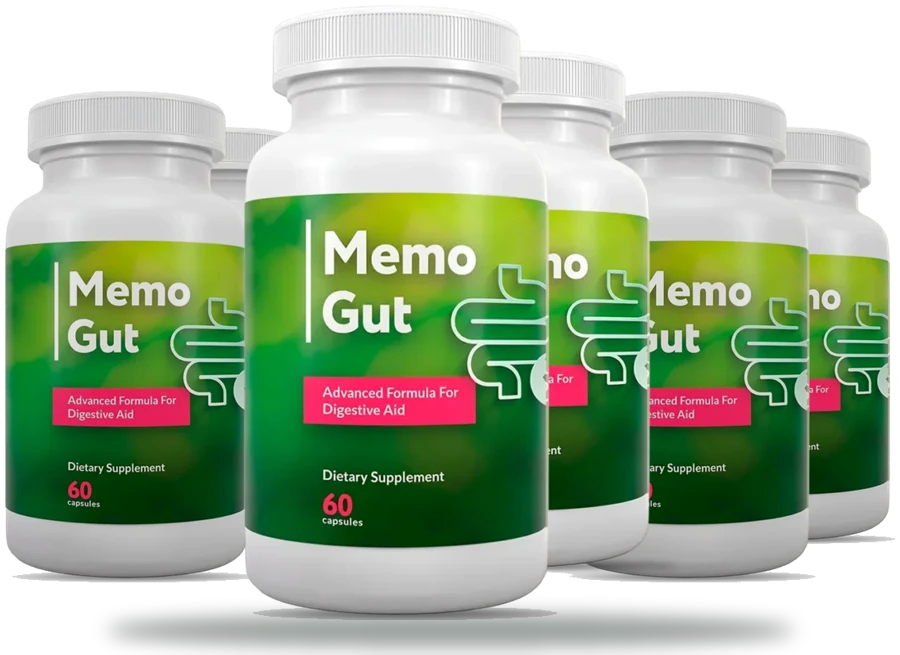
Some adults add a daily supplement on top of balanced meals. Memogut is a capsule dietary supplement for adults 18 and older that is made to support everyday digestive and gut wellness. It contains Oat Bran Powder, Prune Fruit Powder, Cascara Sagrada Bark Powder, Buckthorn Bark Extract, Pumpkin Seed Powder and Cayenne Pepper Fruit Powder. It is not a replacement for good meals. It is meant to sit alongside them.
Follow the directions on the bottle label and take it with a full glass of water. For a neutral explanation of dietary supplements in general, the NIH Office of Dietary Supplements is a helpful reference.
When you want to compare pack options, the Memogut order page on the official website lists current details. Memogut is a one-time purchase, sold only through the official site, and comes with a 60-day money-back guarantee.