Fiber-Rich Foods for Everyday Meals: Simple Ways to Add More
Fiber-rich foods work best when they show up at every meal in small, familiar ways, such as oats at breakfast, beans at lunch and fruit within reach.
Small swaps you repeat each day tend to matter more than one big overhaul of how you eat.
Start With the Foods You Already Like
Picture a Tuesday evening. You are tired, the refrigerator is half full, and nobody wants a lecture about nutrition. That is the moment fiber-rich eating either becomes realistic or gets abandoned. The good news is that you rarely need new recipes. You need a few small upgrades to meals you already make.
Fiber is the part of plant foods that your body does not fully break down. It shows up in whole grains, beans, lentils, fruits, vegetables, nuts and seeds. Because these foods are so varied, you can almost always find one that fits your taste, your budget and your schedule.
Begin by listing three meals you eat most weeks. For each, ask one question: what plant food could sit beside this, or replace part of it? That single question does more than any rigid plan.
Breakfast: Where Whole Grains Shine
Breakfast is the easiest place to add fiber-rich foods because the choices are so repeatable. If you eat the same thing most mornings, one small change pays off every single day.
- Choose oatmeal made from rolled or steel-cut oats, then top it with sliced fruit and a spoonful of nuts or seeds.
- Swap white toast for whole-grain bread and add mashed avocado or nut butter.
- Stir berries or chopped apple into plain yogurt and sprinkle on a little granola.
- Add spinach or peppers to scrambled eggs and serve them with a slice of whole-grain toast.
If you want more ideas for the first hours of your day, the guide to morning routines for steady energy pairs well with this one.
Lunch: Beans, Lentils and Colorful Vegetables
Legumes are some of the most flexible fiber-rich foods in any kitchen. Canned beans, rinsed and drained, can be tossed into salads, stirred into soups or mashed into wraps without any cooking at all.
Easy lunch combinations
- Lentil soup with a side of raw carrots and a whole-grain roll.
- A grain bowl built on brown rice or barley, topped with chickpeas, cucumbers and a simple dressing.
- A turkey or hummus sandwich on whole-grain bread with extra lettuce, tomato and shredded cabbage.
Notice that none of these require special equipment. The idea is to make the plant food the foundation of the meal and let everything else support it.
Dinner: Let Vegetables Take More Space
At dinner, a helpful habit is to fill half the plate with vegetables before adding anything else. Roasted broccoli, sautéed greens, sheet-pan peppers and onions, or a big mixed salad all count. Then add a whole grain or a starchy vegetable such as a baked sweet potato with the skin on.
If you cook a protein, think of it as one part of the plate rather than the whole thing. Our overview of balanced plate basics walks through that layout in more detail.
Snacks and Pantry Staples
Snacks are an underrated opportunity. A piece of fruit with a handful of almonds, raw vegetables with hummus, or air-popped popcorn all bring plant foods into the gaps between meals.
Keep a few staples where you can see them:
- Rolled oats and whole-grain cereal for quick breakfasts.
- Canned or dried beans and lentils for fast, filling meals.
- Frozen vegetables and berries, which keep well and need no washing.
- Whole-grain crackers, nuts and seeds for grab-and-go snacks.
Foods you can see are foods you eat. Moving a bowl of fruit to the counter often works better than any resolution.
Add Fiber Gradually and Pair It With Water
If your usual meals are light on plants, increase them step by step rather than all at once. Your routine will feel more comfortable when you give it time to adjust, and you are far more likely to keep going with a gradual approach.
Fiber-rich foods also go hand in hand with fluids, so keep a glass of water close at mealtimes. We cover that habit in hydration and everyday wellness.
Where a Supplement Fits In
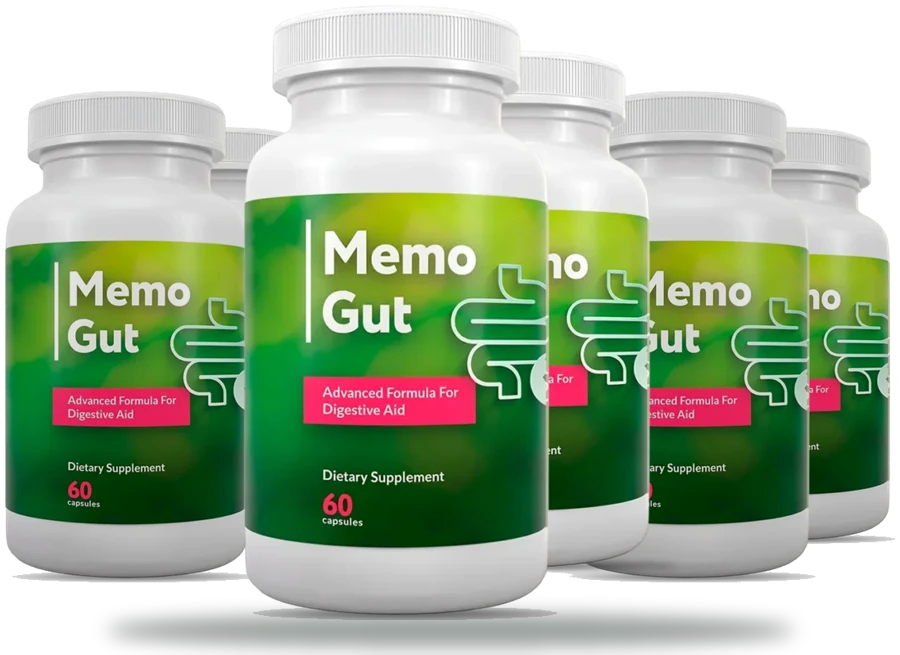
Food comes first. Still, some adults like to add a daily supplement to a routine that already includes fiber-rich meals, hydration, movement and sleep. Memogut is a capsule dietary supplement for adults 18 and older, made with Oat Bran Powder, Prune Fruit Powder, Cascara Sagrada Bark Powder, Buckthorn Bark Extract, Pumpkin Seed Powder and Cayenne Pepper Fruit Powder. It is designed to support everyday digestive and gut wellness, and it works alongside good eating habits rather than replacing them.
Take it as directed on the bottle label with a full glass of water, and read the full Supplement Facts panel printed on the bottle. For background on label reading, see understanding supplement labels. For a neutral overview of how supplements are described and regulated, the NIH Office of Dietary Supplements publishes plain-language fact sheets.
A Simple Weekly Starting Point
You do not need a perfect week. Choose one breakfast upgrade, one lunch staple and one vegetable-forward dinner, then repeat them until they feel automatic. After that, add another small change.
When you are ready to learn more about Memogut, the Memogut order page on the official website shows current pack options and details. It is a one-time purchase, sold only through the official site, and backed by a 60-day money-back guarantee.